Electric three- and four-wheelers are quietly consuming vast quantities of lithium batteries.
2026-08-29 09:51:16


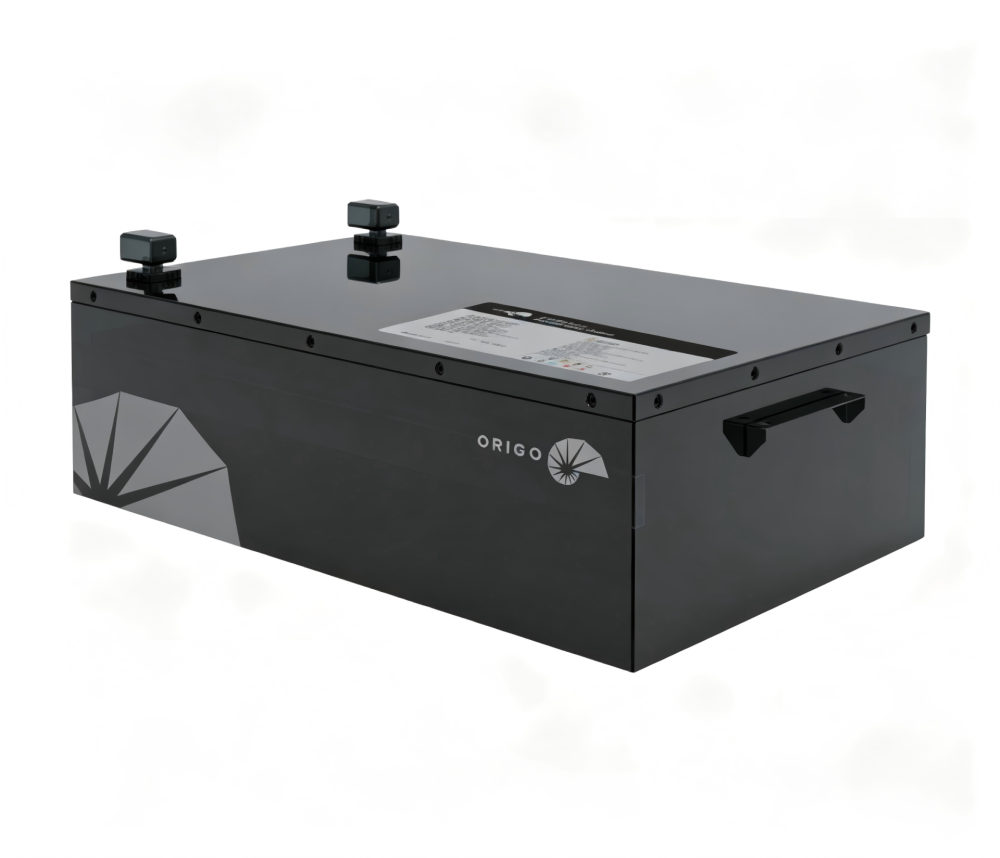
Electric three- and four-wheelers are quietly consuming vast quantities of lithium batteries.
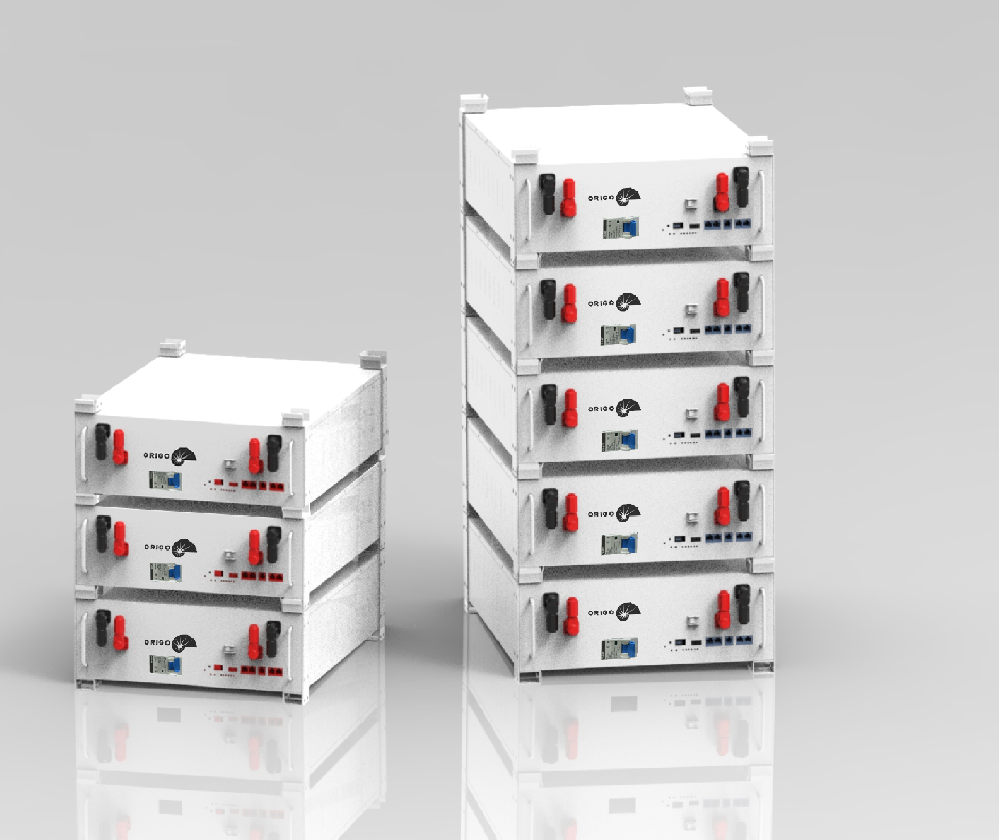
Are you ready for the reduction in export tax rebates for lithium batteries?
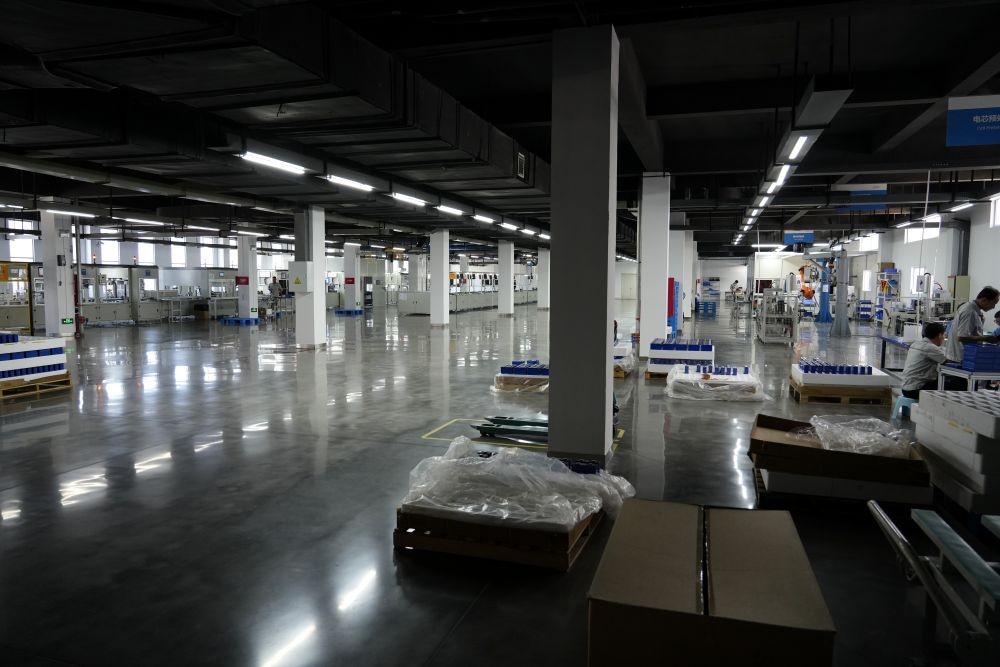
What do you know about basic performance testing for lithium batteries?
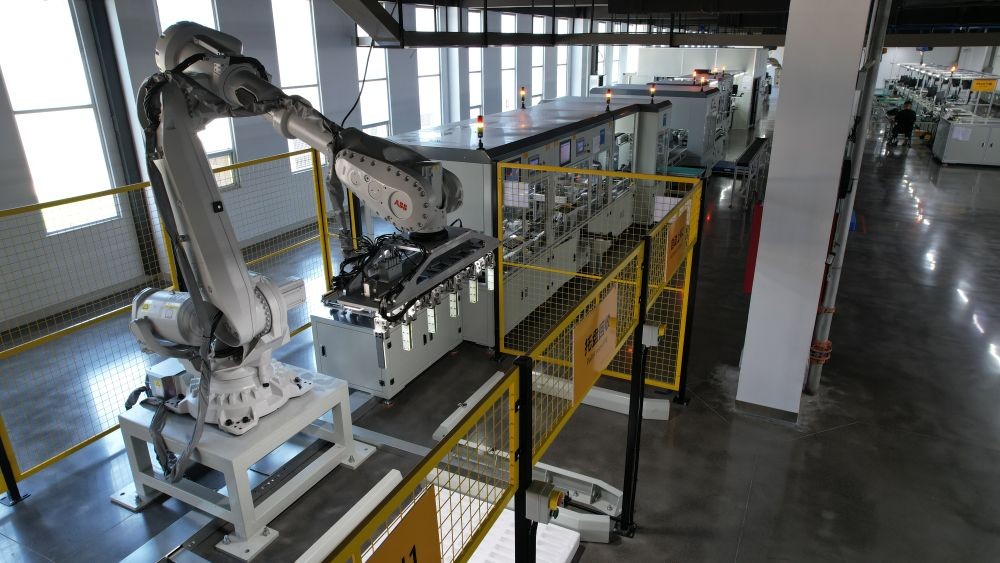
Formation Mechanism and Prevention of Lithium Dendrites
The impact of fast charging on battery life depends on the coupled management of three factors: rate capability (C-rate), temperature window, and state of charge (SOC) range.
I. Attenuation Mechanism (Technical Essence)
1. Lithium Plating on the Negative Electrode: When the charging speed exceeds the diffusion rate of Li⁺ intercalation into the graphite layer, metallic lithium deposits on the negative electrode surface instead of intercalating:
Irreversible capacity loss: Deposited lithium reacts with the electrolyte, consuming active lithium.
Thermal runaway risk: Lithium plating forms dendrites, which may puncture the separator (this risk requires special attention for your company's UL certification).
2. Continuous SEI Film Growth: During fast charging, the negative electrode potential is lower, and the electrolyte reduction reaction intensifies:
Each fast charging cycle increases the SEI film thickness by 0.5-2 μm,
leading to increased internal resistance (power decay) and decreased usable capacity.
3. Thermo-Mechanical Coupling Stress:
Thermal stress: Fast charging temperature rise (typically 3-5°C for LFP, up to 8-12°C for NCM) causes uneven expansion of electrode particles.
Mechanical stress: The volume change of silicon-based anodes (such as if your company develops high energy density products) can reach 300%, causing particle breakage.