Electric three- and four-wheelers are quietly consuming vast quantities of lithium batteries.
2026-08-29 09:51:16


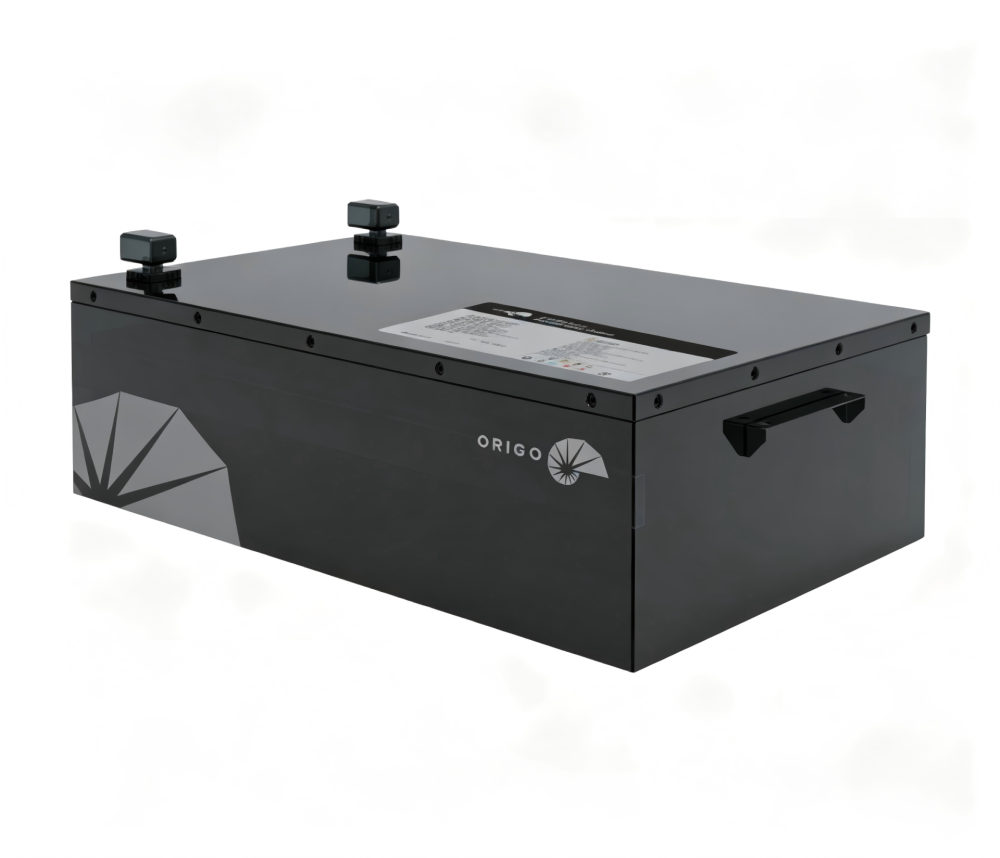
Electric three- and four-wheelers are quietly consuming vast quantities of lithium batteries.
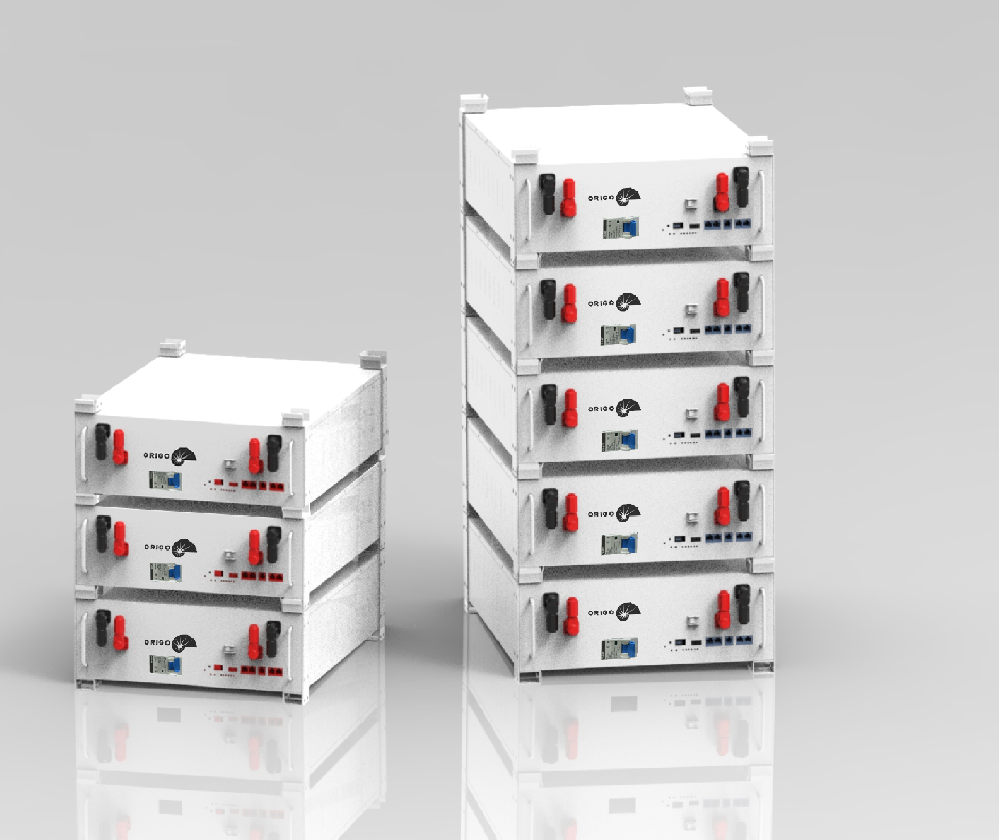
Are you ready for the reduction in export tax rebates for lithium batteries?

What do you know about basic performance testing for lithium batteries?
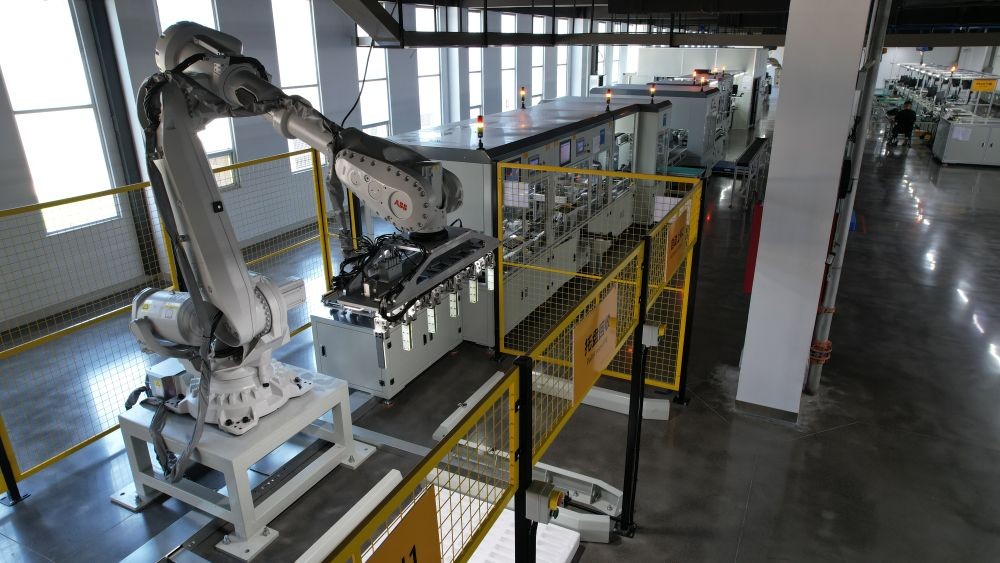
Formation Mechanism and Prevention of Lithium Dendrites
1. The battery of the mobile phone is labeled as lithium-ion, while the power bank is labeled as lithium-polymer. Are these related?
Which type of cylindrical, square or pouch battery is more durable?
Today, by combining laboratory data and user real-life experience, we will uncover the truth about lithium batteries in the most down-to-earth way - don't be confused by the names. After reading this article, you will become a "lithium battery expert"!
The "family tree" of lithium batteries: lithium metal vs lithium-ion, can't tell them apart? Crash!
Typical symptoms: Thinking that all lithium batteries can be charged, and using a disposable lithium metal battery as a power bank.
Why are some lithium batteries capable of being charged thousands of times, while others break down after just one use?
The truth:
Lithium metal battery: The positive electrode uses manganese dioxide, and the negative electrode uses metallic lithium. It is not rechargeable (like old-fashioned camera batteries). Forced charging may cause an explosion and has been eliminated from the market.
Lithium-ion battery: The positive electrode uses lithium cobalt oxide/phosphate iron oxide, and the negative electrode uses graphite. It can be repeatedly charged and discharged (used in mobile phones and electric vehicles).
Real-life case: A user inserted a CR2032 button battery (lithium metal battery) into the charger, and the battery bulged and leaked, almost causing a fire. Solution:
Look for the "Li-ion" or "Li-polymer" labels on the batteries and stay away from the "Not Rechargeable" warning.
Lithium metal batteries should be discarded after use, while lithium-ion batteries can be charged as needed.