One-stop foreign trade battery PACK service: Direct access to global markets
2026-06-30 14:19:41


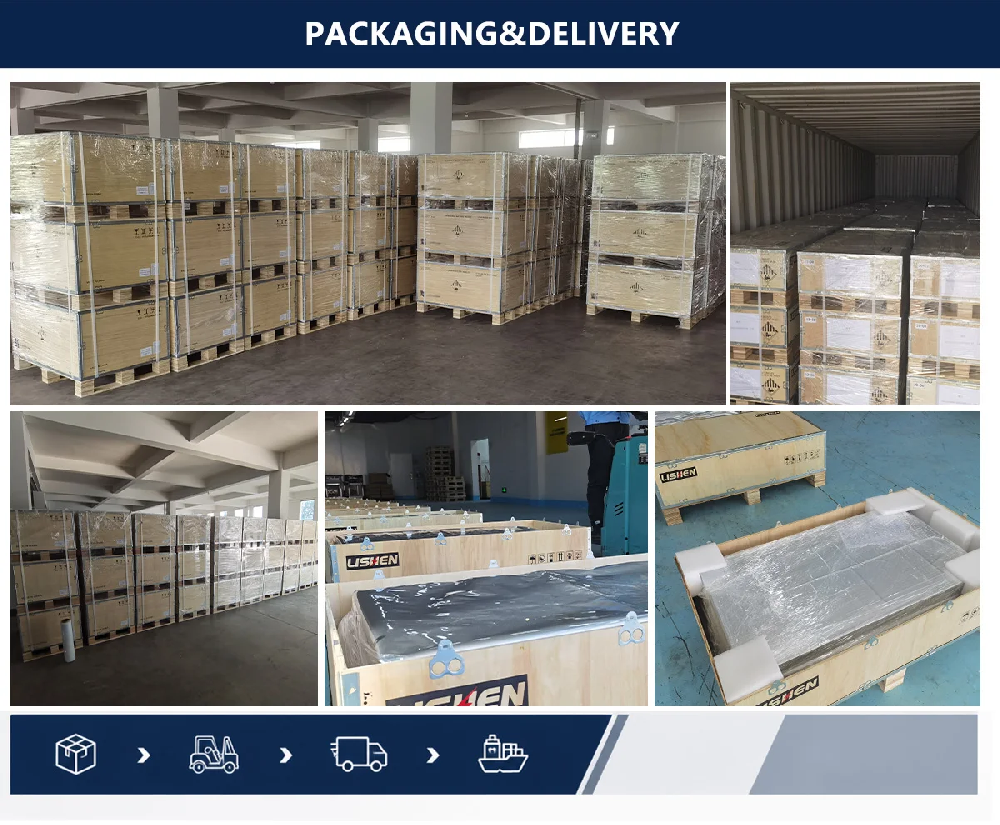
One-stop foreign trade battery PACK service: Direct access to global markets
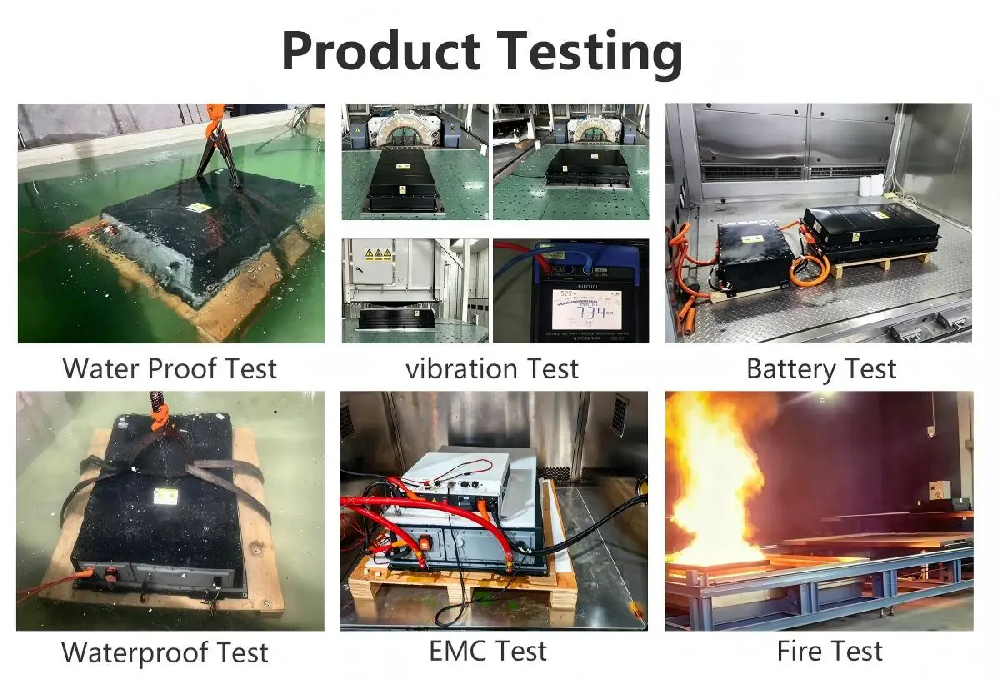
Lithium Iron Phosphate Battery: The Safe Choice for Electric Buses
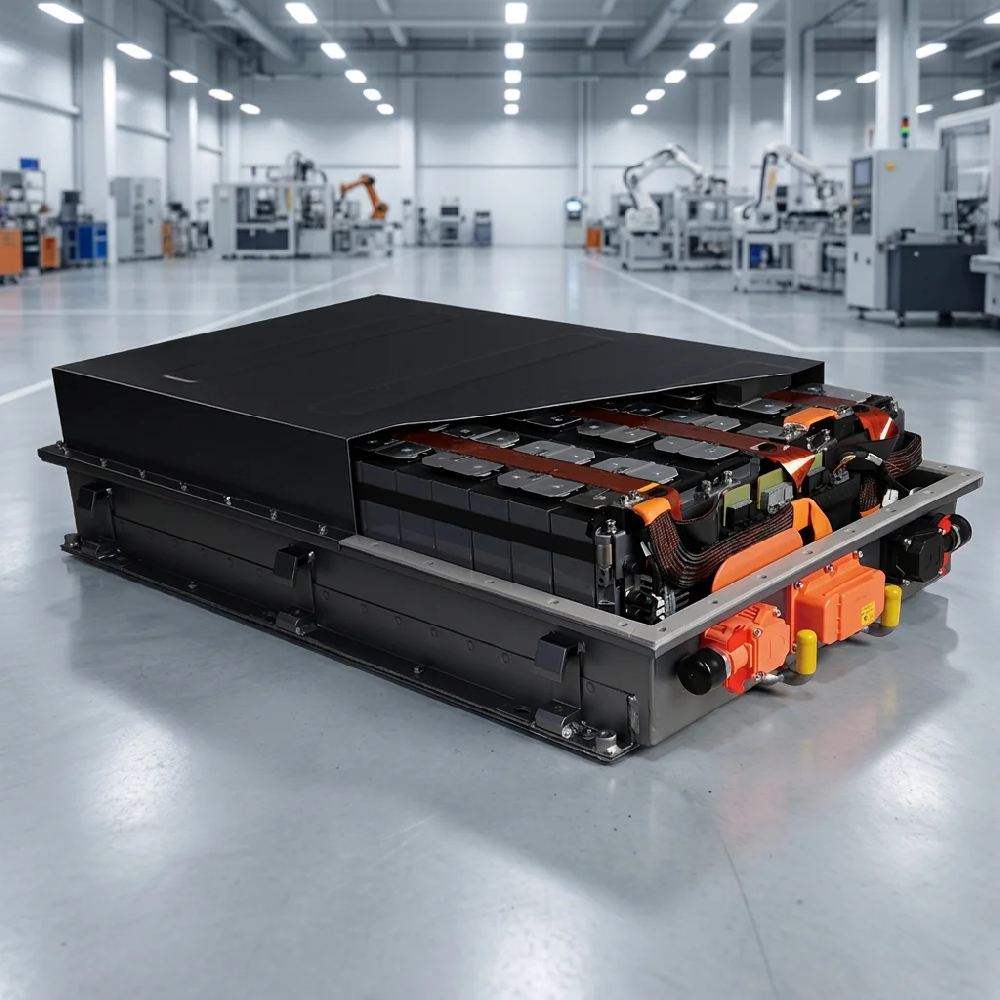
Global Trends of Lithium Iron Phosphate Application in Pure Electric Buses
Breakthrough in Lithium Iron Phosphate Battery Low Temperature Technology: Solving Operating Challenges in Cold Regions
Current Penetration Level: In the rapid penetration stage, the trend of replacing lead-acid batteries is clear.
Market Share Growth: According to industry data, in the domestic electric forklift battery installation volume in 2025, the proportion of lithium iron phosphate batteries exceeded 90%; among new electric forklifts, approximately 35% were equipped with lithium iron phosphate batteries, a significant increase from 5% in 2020, but still lower than the 60% proportion of lead-acid batteries.
Leading Companies' Early Layout: Main forklift brands such as Toyota, Heli, and Hangfeng have all launched models equipped with lithium iron phosphate batteries; third-party battery manufacturers like Berans have achieved battery compatibility and adaptation for foreign brands such as Endress and Linde, further reducing the replacement threshold.
Scenarios with Large Variations in Popularization: In scenarios with high requirements for efficiency and environmental protection such as ports and e-commerce warehouses, the penetration rate of lithium iron phosphate battery forklifts has reached over 50%; while in small-scale manufacturing and county-level logistics scenarios where cost sensitivity is high, the penetration rate is still less than 20%.
Core Driving Forces for Popularization
Cost Advantage: With the decline in raw material prices for lithium iron phosphate, the battery cost has decreased by approximately 40% compared to 2021, and the cycle life is 3-5 times that of lead-acid batteries, making the total life cycle cost lower than that of lead-acid batteries. Some enterprises have transformed battery costs into monthly operating expenses through leasing models, further reducing the procurement threshold.
Technical Adaptability Enhancement: Current lithium iron phosphate battery packs can achieve "original factory size, plug and play", without the need for modification of forklifts; combined with intelligent BMS systems, they can precisely display remaining battery power and endurance time, solving the pain point of "difficult to measure endurance time" of traditional lead-acid batteries.
Policy and Environmental Protection Drive: Many regions have introduced policies to restrict indoor operation of fuel-powered forklifts, and at the same time provide purchase subsidies or environmental rewards for new electric forklifts; enterprises are also more willing to choose lithium iron phosphate battery forklifts to meet carbon emission indicators.
Main Constraints on Popularization
Initial Purchase Cost Still High: The purchase price of a single lithium iron phosphate battery forklift is approximately 30%-50% higher than that of a lead-acid battery version, which poses a significant decision-making pressure for enterprises with limited funds.
Charging and Maintenance Network Needs Improvement: In some third-tier cities, the fast charging facilities for forklift batteries are insufficient, and there are few professional maintenance outlets. Enterprises are concerned about the charging and maintenance issues during subsequent use.
User Cognitive Inertia: Some enterprises are accustomed to the use mode of lead-acid batteries, and still have doubts about the safety and lifespan of lithium-ion batteries. They need more time for market education.