One-stop foreign trade battery PACK service: Direct access to global markets
2026-06-30 14:19:41


One-stop foreign trade battery PACK service: Direct access to global markets
Lithium Iron Phosphate Battery: The Safe Choice for Electric Buses
Global Trends of Lithium Iron Phosphate Application in Pure Electric Buses
Breakthrough in Lithium Iron Phosphate Battery Low Temperature Technology: Solving Operating Challenges in Cold Regions
Core adaptation reasons:
• High-temperature resistance: The operating environment in ports is hot, especially on open-air sites in summer. The thermal stability temperature of lithium iron phosphate can reach above 500℃, far exceeding the 200℃ of lithium cobalt oxide. This avoids safety hazards caused by high temperatures and is suitable for long-term and high-frequency operations.
• Long cycle life: The average daily operation time of port forklifts is usually 8-12 hours. The cycle life of lithium iron phosphate can reach more than 2000 times, which is 3-5 times that of lead-acid batteries, effectively reducing the frequency of battery replacement and suitable for heavy-duty and high-frequency usage intensity.
• High discharge capacity at high current: Port forklifts need to frequently start and stop, and carry heavy loads for climbing. Lithium iron phosphate supports discharge at currents above 10C, which can instantly provide powerful power and avoid power shortage-induced operation interruptions.
• Cost advantage: The raw material cost of lithium iron phosphate is about 30% lower than that of lithium cobalt oxide, and the recycling value is high. In large-scale application scenarios such as port forklifts, the cost advantage throughout the entire life cycle is obvious.
Scenario-based enhanced advantages
• Adaptation to fast charging requirements: The operation pace in ports is fast. Lithium iron phosphate supports fast charging mode. It can fully charge 80% of the battery in 1-2 hours, allowing for quick replenishment of energy during the operation breaks without delaying the overall operation progress.
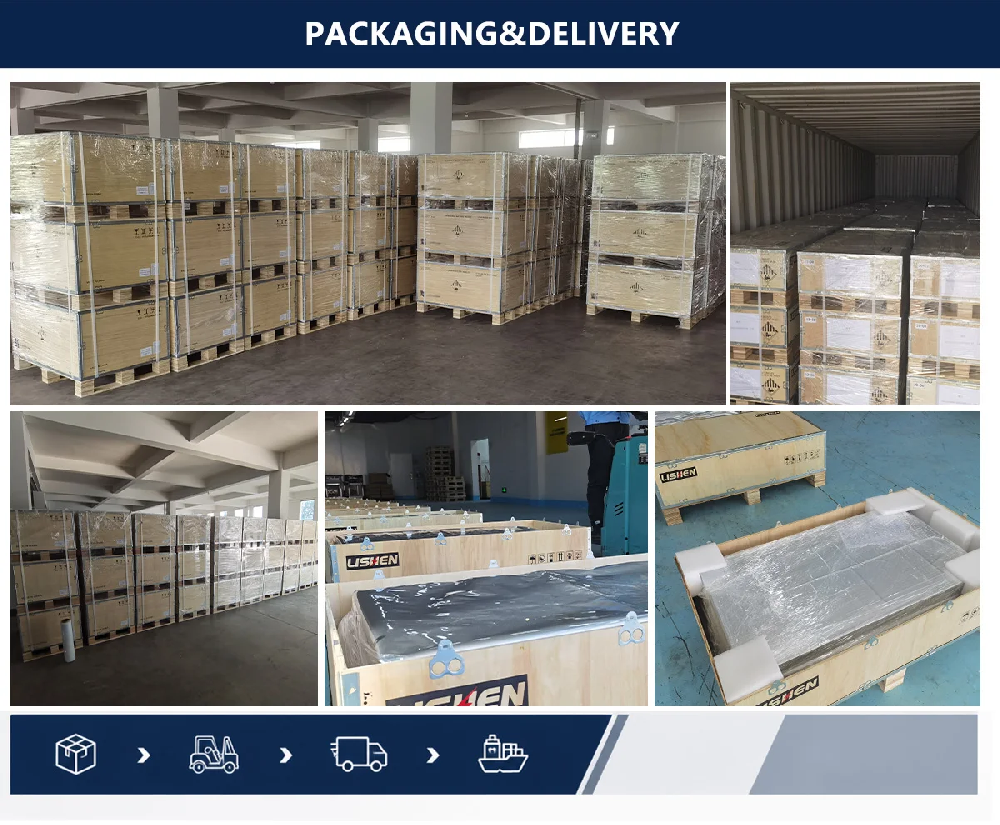
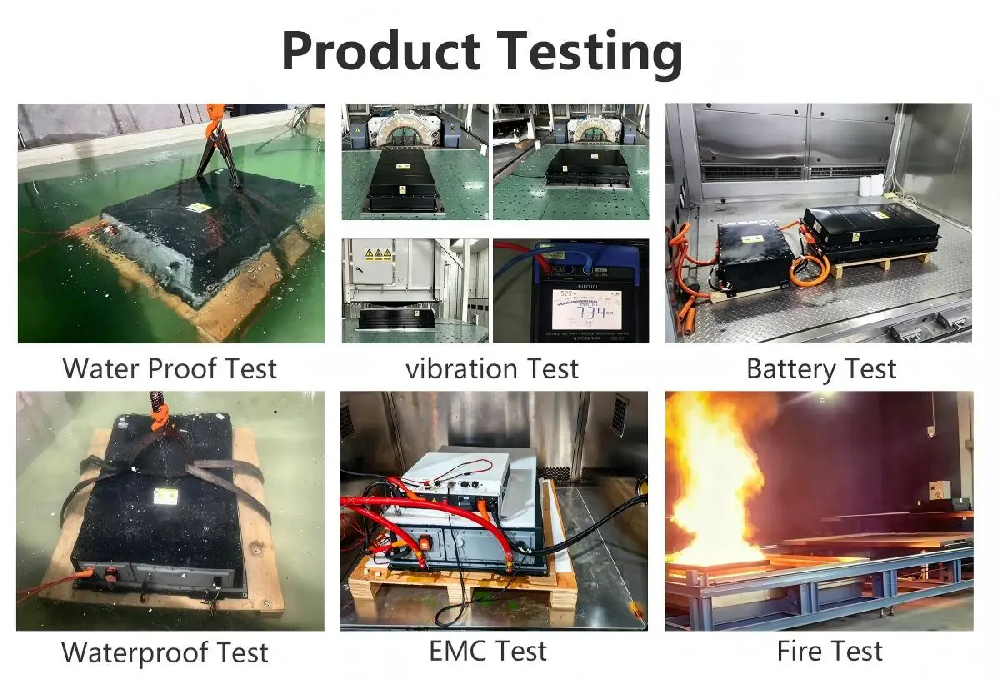
• Anti-corrosion performance: The port environment has high humidity and high salt content. The encapsulation process of lithium iron phosphate batteries usually has stronger waterproof and anti-corrosion capabilities, enabling them to adapt to harsh outdoor operation environments.
• High safety factor: Port areas have dense populations and high-value goods. Lithium iron phosphate is less prone to thermal runaway compared to lithium cobalt oxide, making it safer and reducing the risk of property loss and operation interruptions caused by accidents.