Philippine subsidies policy for purchasing electric buses and buses, and core application conditions
2026-07-27 16:29:16


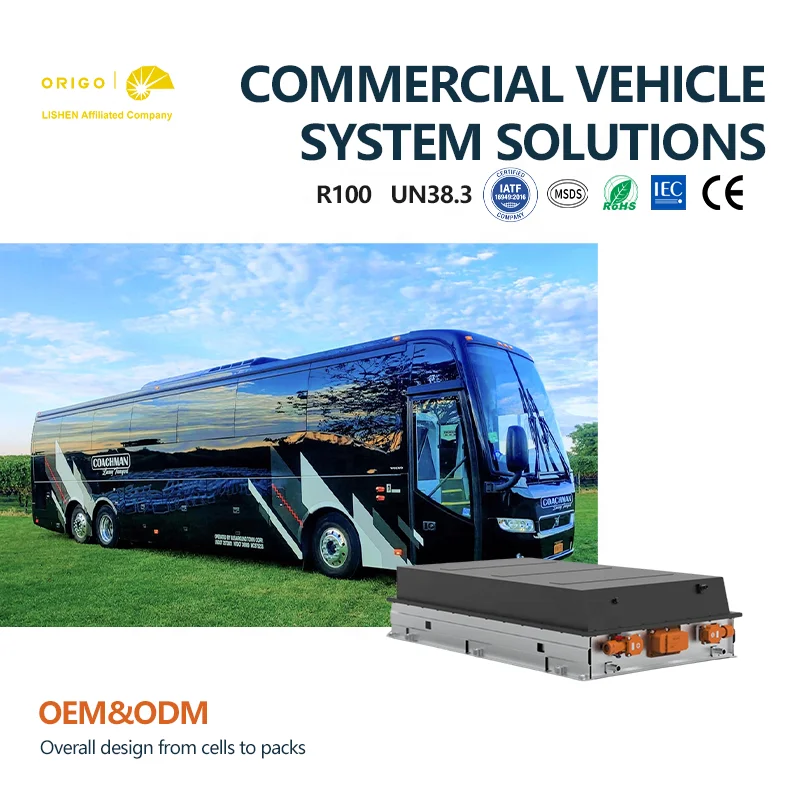
Philippine subsidies policy for purchasing electric buses and buses, and core application conditions
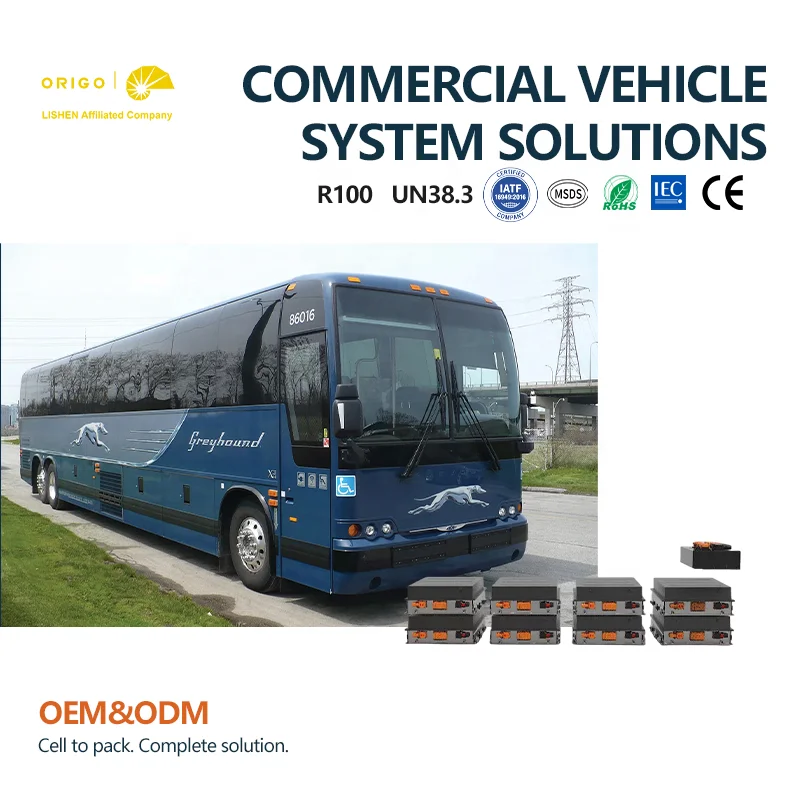
Singapore's Purchase Subsidy Policy for Electric Buses/ City Buses and Key Application Requirements
Malaysian subsidies policy for purchasing electric buses & city buses, and core application conditions
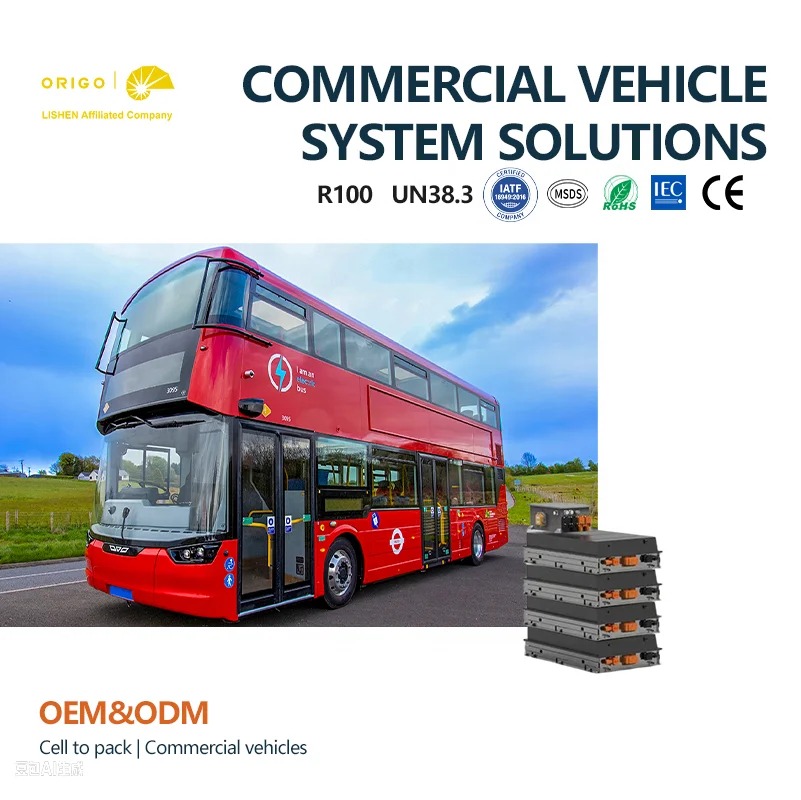
Thailand's Purchase Subsidy Policy for Electric Buses/ City Buses and KeyApplication Requirements
Against the backdrop of the global energy structure transformation and the continuous growth of electricity demand, off-grid and weak-grid areas, due to their remote locations or insufficient grid coverage, have long been plagued by power outages and power rationing. Even in areas with well-developed grid coverage, industrial and commercial users are facing multiple challenges such as the widening price gap between peak and off-peak hours and the increasing demand for power supply reliability. Although diesel generators can serve as a backup, their high costs and high pollution levels have become increasingly prominent. The market urgently needs a power supply solution that combines reliability, economy, and low carbon emissions - the photovoltaic, battery, and diesel integrated machine was thus born to meet this demand.
Core advantages: Inherently suitable for complex power consumption environments
The photovoltaic, lithium battery, and diesel integrated cabinet integrates three systems - photovoltaic power generation, battery storage, and diesel power generation - through deep integration. With an intelligent energy dispatching strategy, it overcomes the inherent shortcomings of a single energy form. Its core advantages are reflected in four dimensions:
1. Multi-energy complementarity and intelligent dispatching fundamentally enhance power supply reliability. The photovoltaic, battery, and diesel integrated cabinet operates on the principle of giving priority to photovoltaic power, using battery storage for regulation, and diesel as a backup. In off-grid mode, it prioritizes the consumption of free and clean solar energy. The battery storage system smooths out the fluctuations in photovoltaic power generation, and the diesel generator only starts automatically to supplement energy when the battery storage is insufficient. This completely changes the traditional model of high-load operation of diesel generators throughout the day, transforming power supply stability from "relying on the weather" to "active control". At the same time, the mature technology for rapid switching between grid-connected and off-grid modes enables automatic switching to off-grid mode within milliseconds when the grid power is abnormal, ensuring uninterrupted power supply to critical loads.
2. Significant cost reduction, clear returns, and more controllable investment returns. Photovoltaic power generation has zero fuel costs, and with an intelligent dispatching strategy, diesel consumption can be reduced by 80%, directly cutting most of the fuel expenses. The integrated design consolidates the battery, inverter, and energy management system into a single cabinet, reducing the complexity of on-site installation and civil construction costs. It also supports remote monitoring and unmanned operation, reducing maintenance costs by more than 50%. For grid-connected users, they can also take advantage of the peak-valley price difference to arbitrage, further shortening the investment payback period.
3.Highly integrated, flexible adaptation, and worry-free installation and expansion. Current mainstream photovoltaic, battery, and diesel integrated cabinet all adopt modular design, integrating the battery system, diesel integrated cabinet , MPPT module, temperature control system, and fire protection system into a single cabinet. They have a small footprint, and the protection level generally reaches IP54 or above, allowing them to be directly placed outdoors and withstand various harsh environments such as high temperatures, high humidity, high salt fog, and sandstorms. They also support parallel expansion of multiple units, allowing for flexible addition of cabinet numbers based on load growth, meeting different power consumption needs ranging from tens of kilowatts to several megawatts.
4.Safe and reliable, with full-stack protection, and comprehensive control from the battery cell to the system. New-generation products generally build multi-level electrical protection from battery cells to modules, clusters, and systems, and are equipped with a three-dimensional fire protection system including smoke and temperature detection, perfluorohexanone gas suppression, and explosion venting. Liquid cooling temperature control technology can keep the temperature difference of battery cells within 3°C, and the cycle life is 20% longer than traditional air cooling, ensuring long-term stable operation from the hardware level.