Treat Your Lithium Battery Right, and It Will Stay Like New for Years
2026-09-30 09:51:36


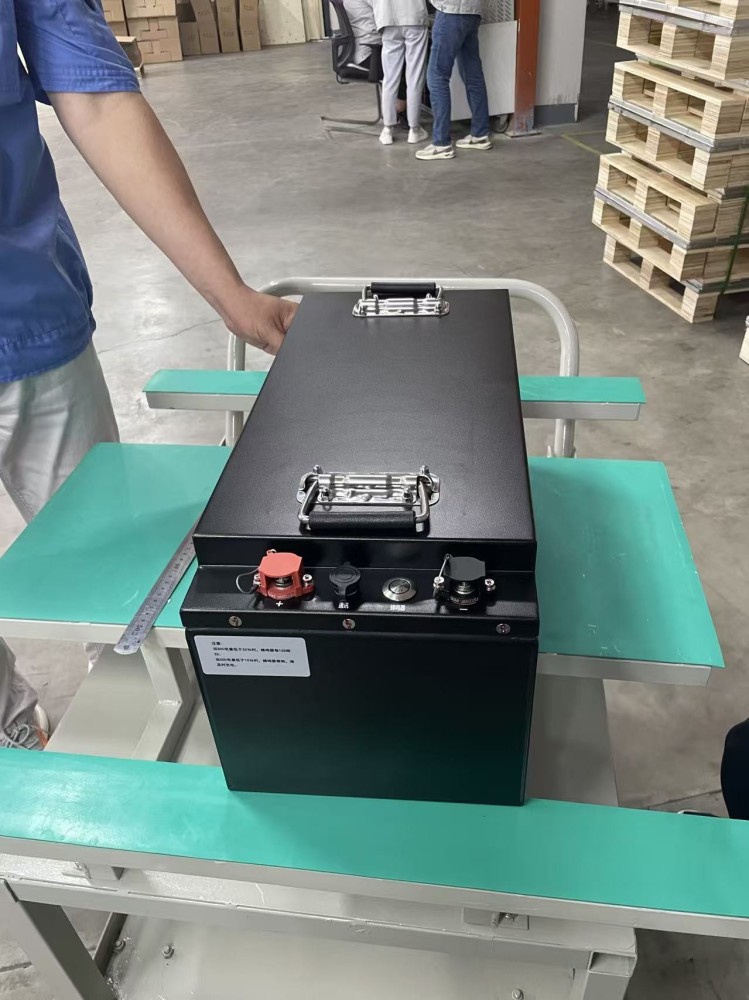
Treat Your Lithium Battery Right, and It Will Stay Like New for Years

Three Questions to Ask Before Switching to Lithium Batteries

Electric three- and four-wheelers are quietly consuming vast quantities of lithium batteries.
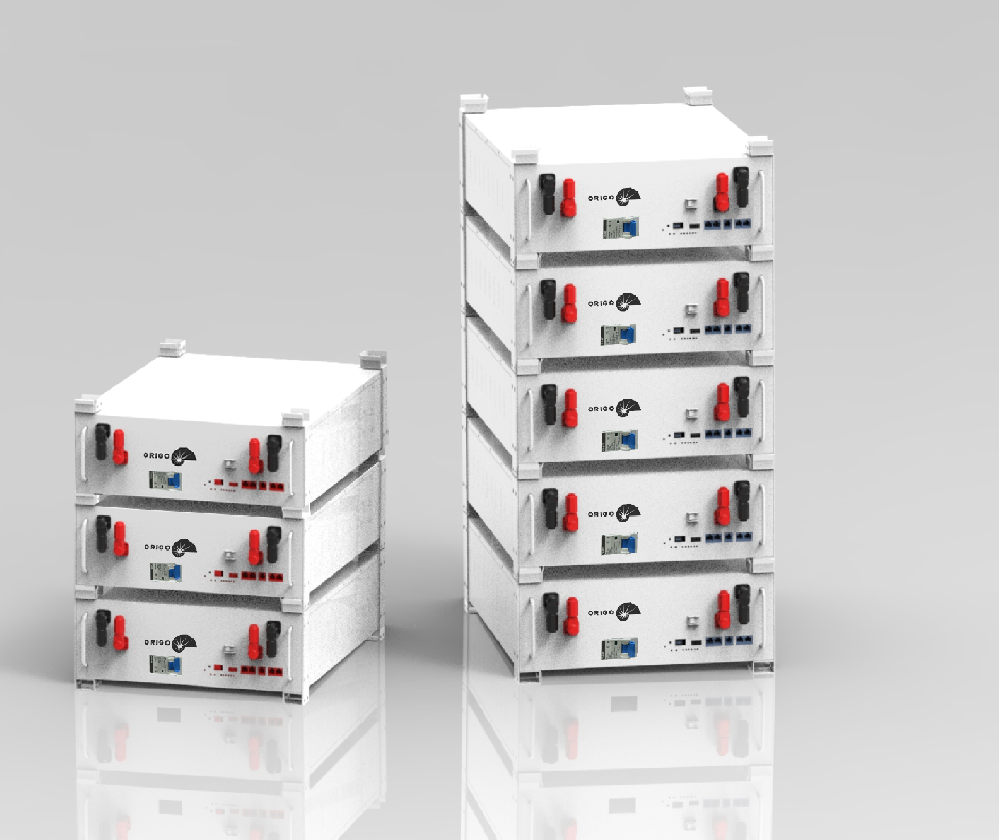
Are you ready for the reduction in export tax rebates for lithium batteries?
Many people find that after switching to a lithium battery, the driving range drops significantly after just over a year. The issue usually isn't the battery itself, but how it's used. Lithium iron phosphate (LFP) batteries have a cycle life of over 3,000 charges—easily lasting 5–8 years with normal use—but certain habits can drastically shorten their lifespan.
① Don't wait until the battery is completely drained to charge
While lead-acid batteries are said to have a "memory effect," lithium batteries do not. In fact, charging when the battery level is below 20% causes the most damage to lithium batteries.
Try to adopt this habit: charge when 30–40% power remains, and charge whenever convenient. Plugging it in after a ride so you start the next day with a full charge is far better than waiting until the battery dies completely.
② Avoid charging in direct sunlight during summer
LFP batteries are heat-resistant, but they generate heat while charging. If exposed to direct sunlight simultaneously, the combined heat can trigger the BMS (Battery Management System) protection—preventing the battery from charging—and accelerate long-term cell degradation.
The right approach: Charge in a cool, shaded area or indoors whenever possible. If you must charge outdoors, avoid the hottest part of the day (around noon).
③ Charging in winter requires care
Do not charge at temperatures below -10°C; this is a strict rule. Charging in low temperatures causes lithium dendrites to form inside the cells, causing irreversible damage.
Advice for winter in the north: Move the vehicle indoors or into a garage to charge. If that isn't possible, wait until the sun has warmed the vehicle and the battery temperature has risen before charging. Some high-end battery packs come with built-in heating functions, making winter use much easier.
④ Handling long-term storage
Whether it's after the busy farming season, storing the vehicle for winter, or leaving town for months without using it—you shouldn't store the battery fully charged or completely drained.
Optimal storage level: 50–60%. Top it up to this range every two months. Storing it fully charged accelerates electrolyte decomposition, while storing it drained can "starve" the cells to the point where even the BMS cannot wake them up.
⑤ Don't mix and match chargers
This was mentioned earlier, but it bears repeating. Lithium-ion chargers operate using a constant-current, constant-voltage (CCCV) profile, whereas lead-acid chargers use a three-stage charging process; using them interchangeably can result in an incomplete charge at best, or overcharging and fire at worst.
When replacing the battery, have the vendor provide the correct charger and attach a label reading "For [Vehicle Model] Only" to avoid confusing it with other chargers in your home.