Treat Your Lithium Battery Right, and It Will Stay Like New for Years
2026-09-30 09:51:36


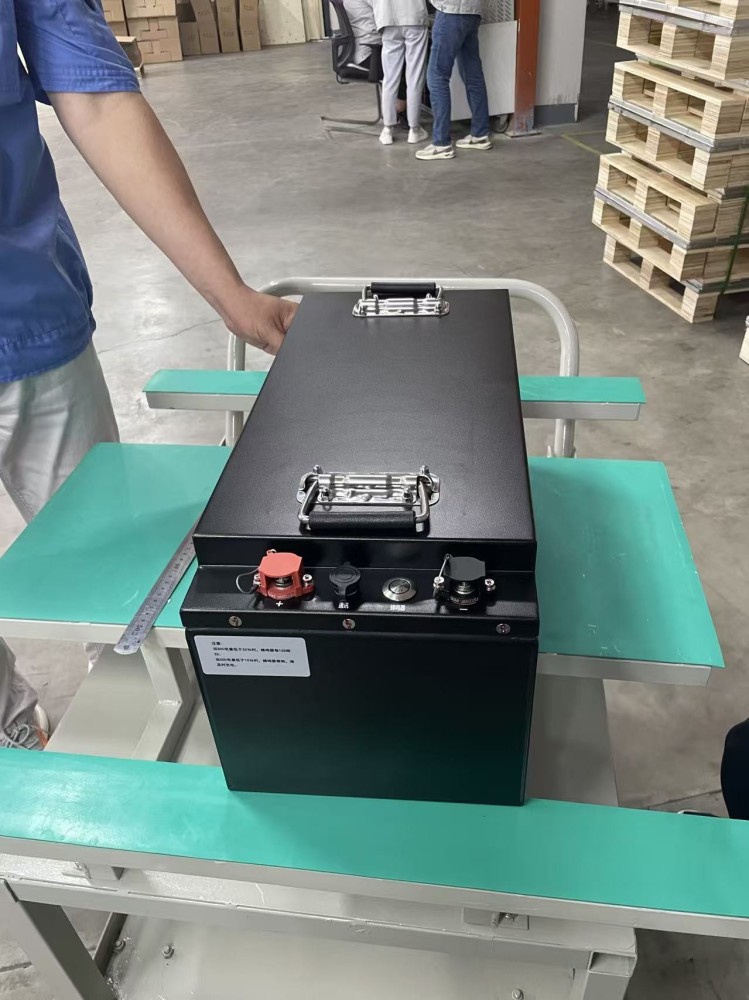
Treat Your Lithium Battery Right, and It Will Stay Like New for Years
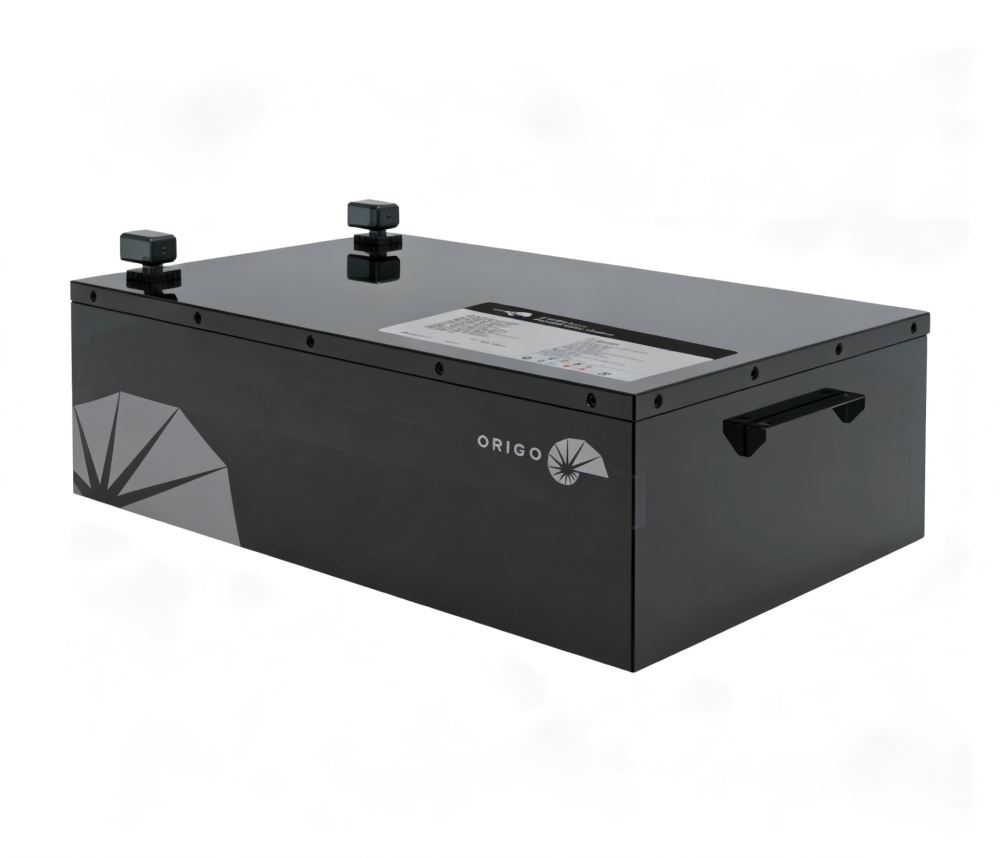
Three Questions to Ask Before Switching to Lithium Batteries
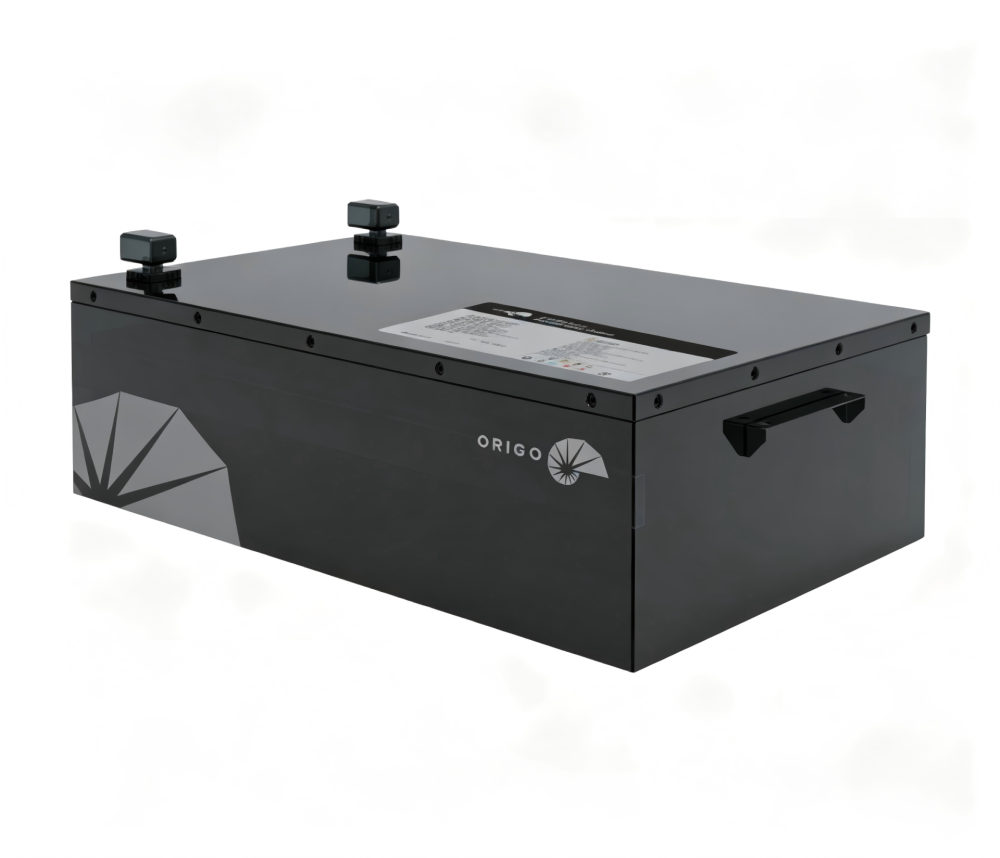
Electric three- and four-wheelers are quietly consuming vast quantities of lithium batteries.
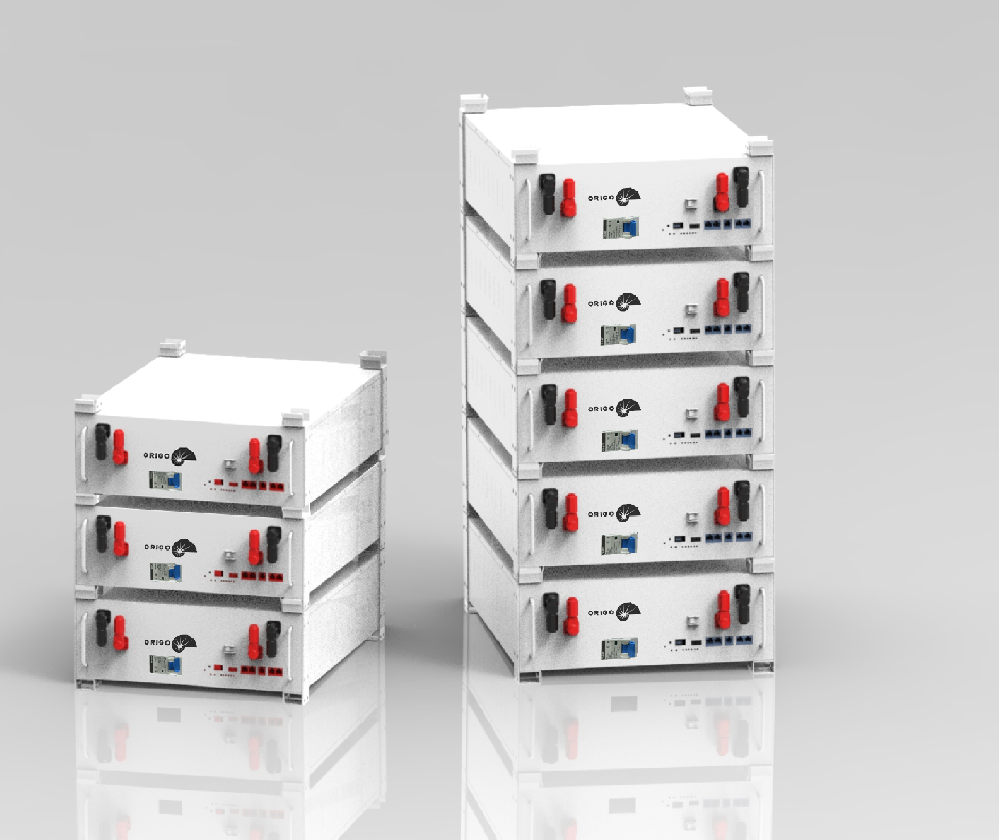
Are you ready for the reduction in export tax rebates for lithium batteries?
First, look at the three key "ID specifications":
1. Nominal Voltage (V) — Determines compatibility
Common ratings are 48V, 60V, and 72V; a few large vehicles use 96V.
· 48V: Mostly for light cargo hauling or older models.
· 60V: The standard choice for passenger and cargo transport in urban and rural areas.
· 72V: Paired with high-power motors for long-distance transport needs.
Voltage must match the vehicle's original controller; blindly increasing voltage can fry the controller. Don't fall for sales pitches claiming "upgrade to 72V for more speed"—check the original vehicle specifications first.
2. Nominal Capacity (Ah) — Determines driving range
The mainstream range is 20Ah–200Ah; three-wheelers typically use 20–100Ah, while four-wheelers use 100–230Ah.
Rough range estimates (LiFePO4/LFP batteries):
· 48V 32Ah (Household type) → 30–50 km daily range
· 60V 40Ah (Cargo type) → Approx. 80–100 km
· 60V 100Ah → 100–115 km
· 72V 120Ah and up → Over 115 km (adjust for steep hills or heavy loads)
Rule of thumb: Allow for 8–10Ah of capacity per 10 km of range; add another 20% for mountainous terrain.
3. Series/Parallel Configuration (S/P)
Individual LiFePO₄ cells have a nominal voltage of 3.2V; achieving 48V, 60V, or 72V requires series connection:
·48V = 16 cells in series (16S)
·60V = 20 cells in series (20S)
·72V = 24 cells in series (24S)
Understanding a designation like "20S1P" means: 20 cells in series and 1 in parallel, forming a battery pack with 20Ah capacity.
4. BMS (Battery Management System)
This acts as the lithium battery's "bodyguard," providing protection against overcharge, over-discharge, short circuits, over-current, and cell balancing issues. Never purchase a lithium battery that lacks a BMS.
Common specifications:
·Continuous current: 100–200A
·Peak current: 300A (≤10s)
·Communication: CAN / RS485 / UART (high-end models include Bluetooth app support)
5. Operating Temperature
·Charging: 0°C to 55°C (low-temperature charging damages the battery; charge indoors during winter whenever possible)
·Discharging: -20°C to 60°C (low-temperature versions with heating elements can operate down to -20°C)
Charging below -10°C is not recommended; avoiding this is a key habit for extending battery life.
6. IP Protection Rating
A standard battery pack should be rated at least IP54, while higher-quality ones achieve IP65 or IP67. This indicates dust and splash resistance, ensuring reliable performance in rain, snow, and muddy road conditions.
7. Weight and Dimensions
For the same capacity, LiFePO₄ batteries are over 60% lighter than lead-acid batteries; this is a primary reason why many users switch to lithium. Examples:
• 60V 40Ah LiFePO4 ≈ 25 kg
• 60V 100Ah ≈ 52 kg
• 72V 100Ah ≈ 78 kg (sheet metal casing)
Be sure to measure the length, width, and height of the battery compartment before replacing the battery to ensure the new one will fit.
www.lishenenergy.com