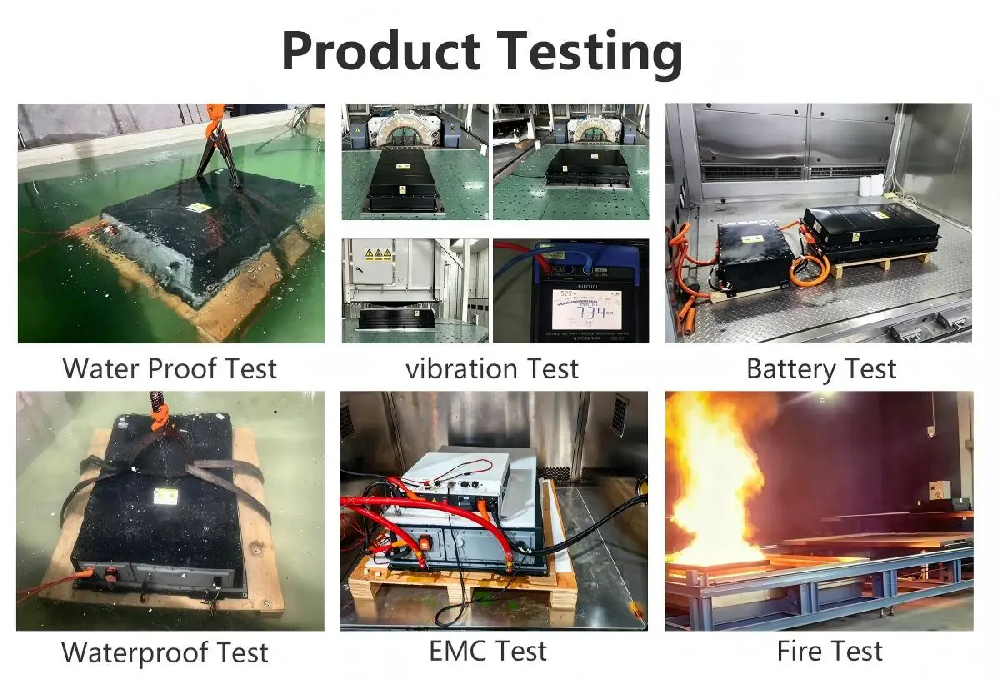
One-stop foreign trade battery PACK service: Direct access to global markets
2026-06-30 14:19:41


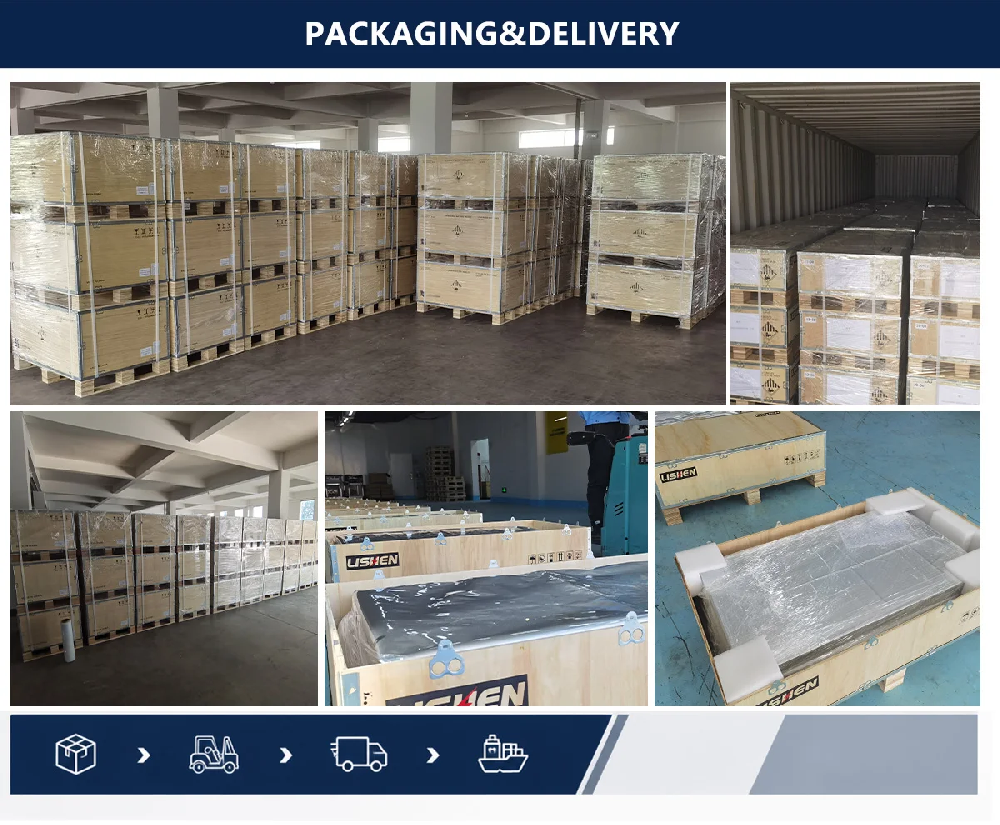
One-stop foreign trade battery PACK service: Direct access to global markets
Lithium Iron Phosphate Battery: The Safe Choice for Electric Buses
Global Trends of Lithium Iron Phosphate Application in Pure Electric Buses
Breakthrough in Lithium Iron Phosphate Battery Low Temperature Technology: Solving Operating Challenges in Cold Regions
What is the "urban mine" resource recycling model?
The core logic of the "urban mine" model
• Shift in resource perspective: Treat retired power batteries and consumer electronic batteries as "urban minerals", with their metal content (such as lithium, cobalt, nickel, etc.) even higher than that of natural mines (such as a cobalt content of 10%-20%, far exceeding the 0.1% of natural cobalt mines).
• Closed-loop recycling system: Through the full-chain operation of "recycling - dismantling - regeneration - remanufacturing", the recovery rate of key metals such as nickel, cobalt, manganese, and lithium reaches over 95%, and the materials can be directly used for new battery production, forming a "resources - product - waste - recycled resources" closed loop.
Typical enterprise operation path
Greenemei: Build a national recycling network
• Recycling end: Relying on 30 provincial-level recycling centers and 100,000 recycling outlets, covering new energy vehicle manufacturers, battery factories, and consumers. The expected recycled battery volume by 2025 is over 20 GWh.
• Processing end: Adopting "wet metallurgy + pyrometallurgy" technology, with an annual processing capacity of 300,000 tons, and directly supplying nickel, cobalt, lithium, etc. metals to enterprises such as CATL and BYD Energy.
Bangpu Cycle (a subsidiary of CATL): Deeply coordinated industrial chain
• Directed recycling: Cooperating with automakers to establish a "production - use - recycling" binding mechanism (such as building a battery recycling system with NIO), with a 25% share of the national recycling volume in 2024.
• Material regeneration: Inventing the "directional repair" technology, directly regenerating retired battery materials into positive electrode precursors, reducing costs by 30% compared to traditional processes, and planning a capacity of over 500,000 tons in 2025.
Typical enterprise operation path
Greenemei: Build a national recycling network
• Recycling end: Relying on 30 provincial-level recycling centers and 100,000 recycling outlets, covering new energy vehicle manufacturers, battery factories, and consumers. The expected recycled battery volume by 2025 is over 20 GWh.
• Processing end: Adopting "wet metallurgy + pyrometallurgy" technology, with an annual processing capacity of 300,000 tons, and directly supplying nickel, cobalt, lithium, etc. metals to enterprises such as CATL and BYD Energy.
Bangpu Cycle (a subsidiary of CATL): Deeply coordinated industrial chain
• Directed recycling: Cooperating with automakers to establish a "production - use - recycling" binding mechanism (such as building a battery recycling system with NIO), with a 25% share of the national recycling volume in 2024.
• Material regeneration: Inventing the "directional repair" technology, directly regenerating retired battery materials into positive electrode precursors, reducing costs by 30% compared to traditional processes, and planning a capacity of over 500,000 tons in 2025.
Policy and technical support
• Policy-driven: The "Regulations on the Recycling and Utilization of New Energy Vehicle Power Batteries" mandate that automakers establish recycling systems, with preferential subsidy policies for enterprises with high recycling rates in 2025.
• Technological breakthroughs: New technologies such as low-temperature pyrolysis and solid-state electrolyte regeneration reduce processing costs, and Bangpu Cycle has achieved "retired battery → positive electrode material" direct regeneration, eliminating the intermediate smelting process.