One-stop foreign trade battery PACK service: Direct access to global markets
2026-06-30 14:19:41


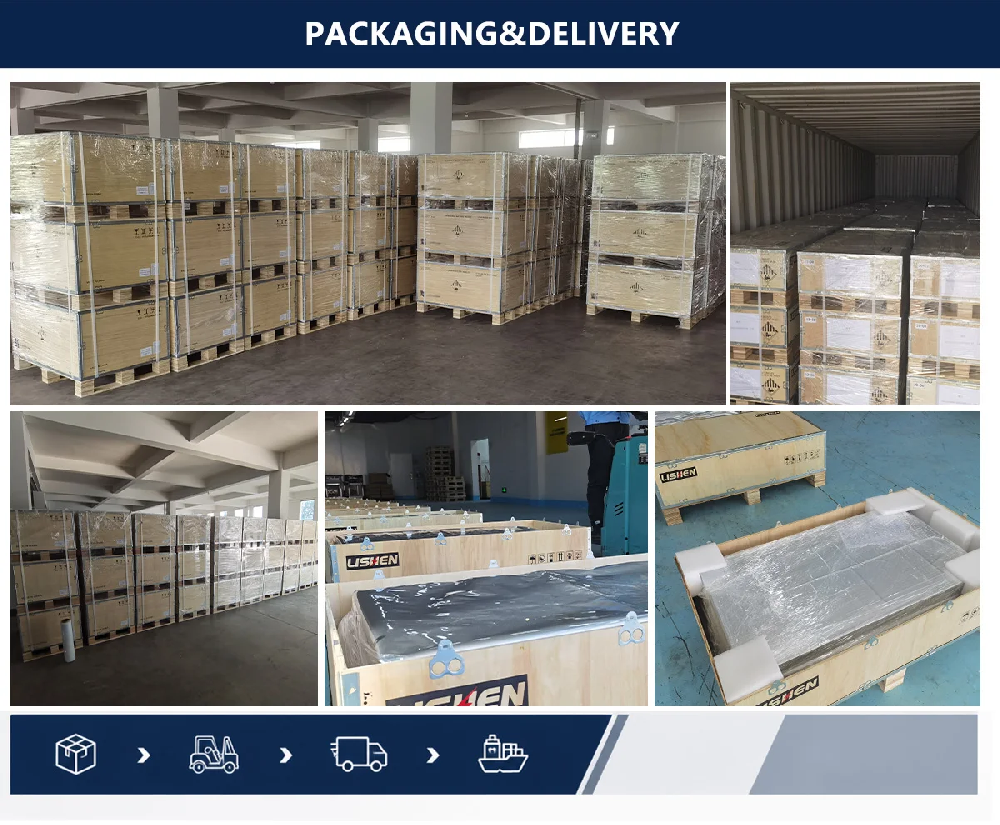
One-stop foreign trade battery PACK service: Direct access to global markets
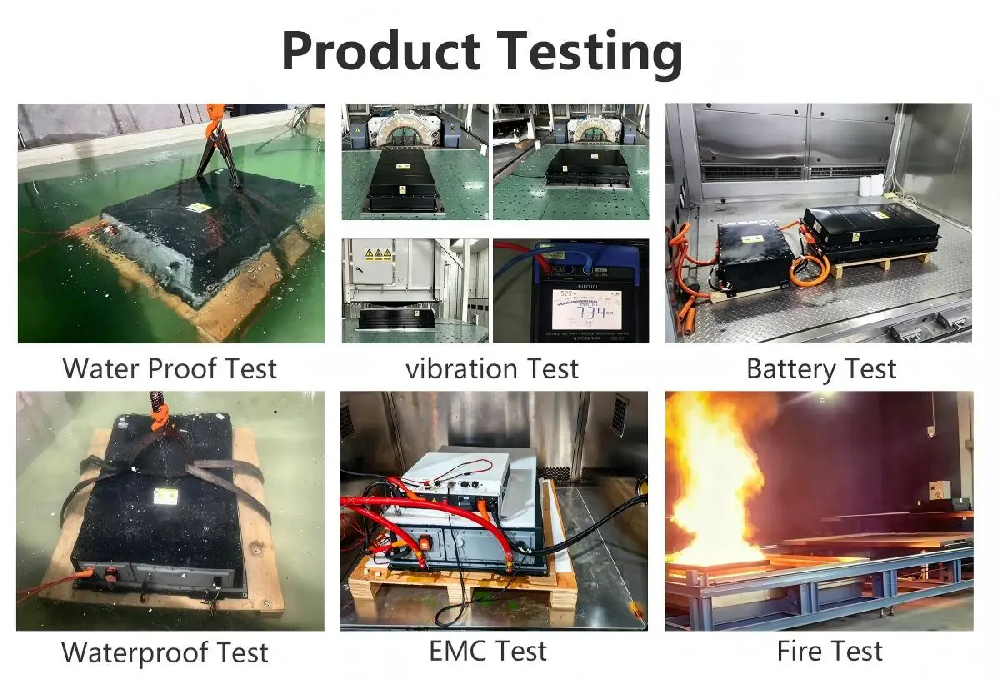
Lithium Iron Phosphate Battery: The Safe Choice for Electric Buses
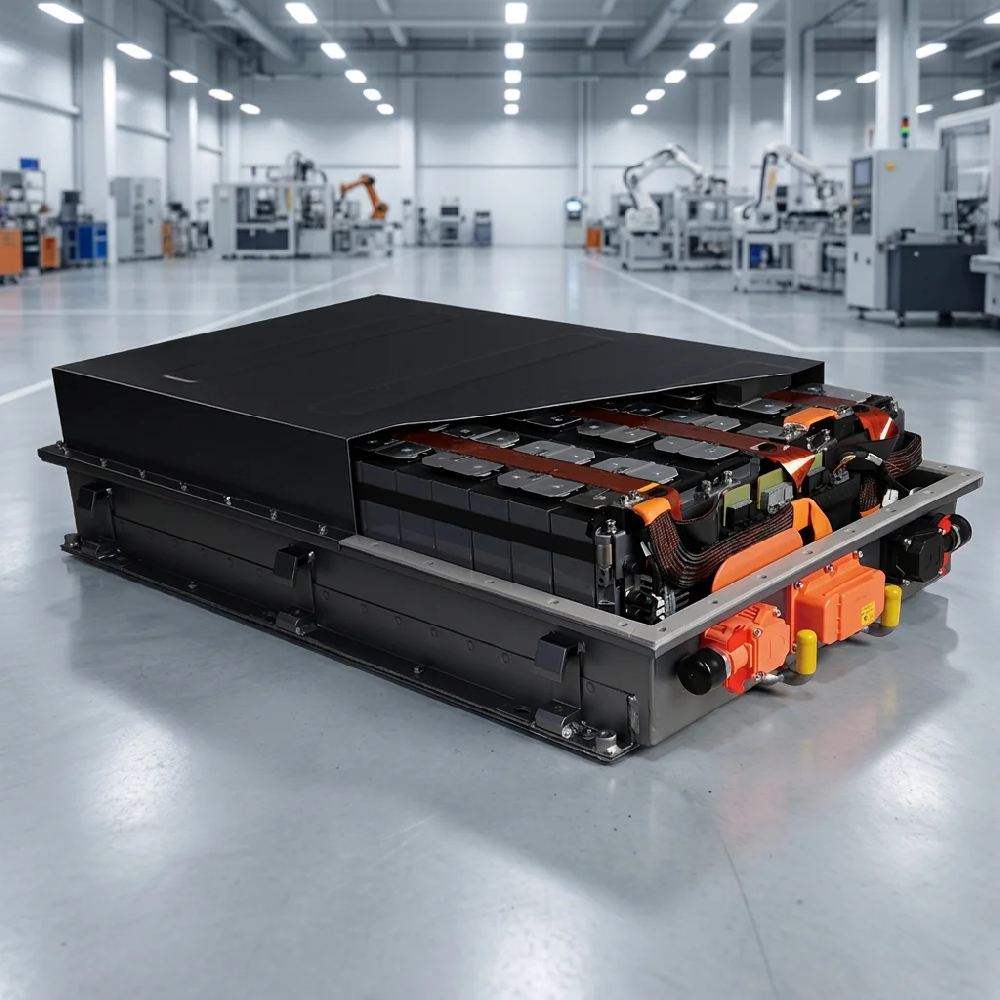
Global Trends of Lithium Iron Phosphate Application in Pure Electric Buses
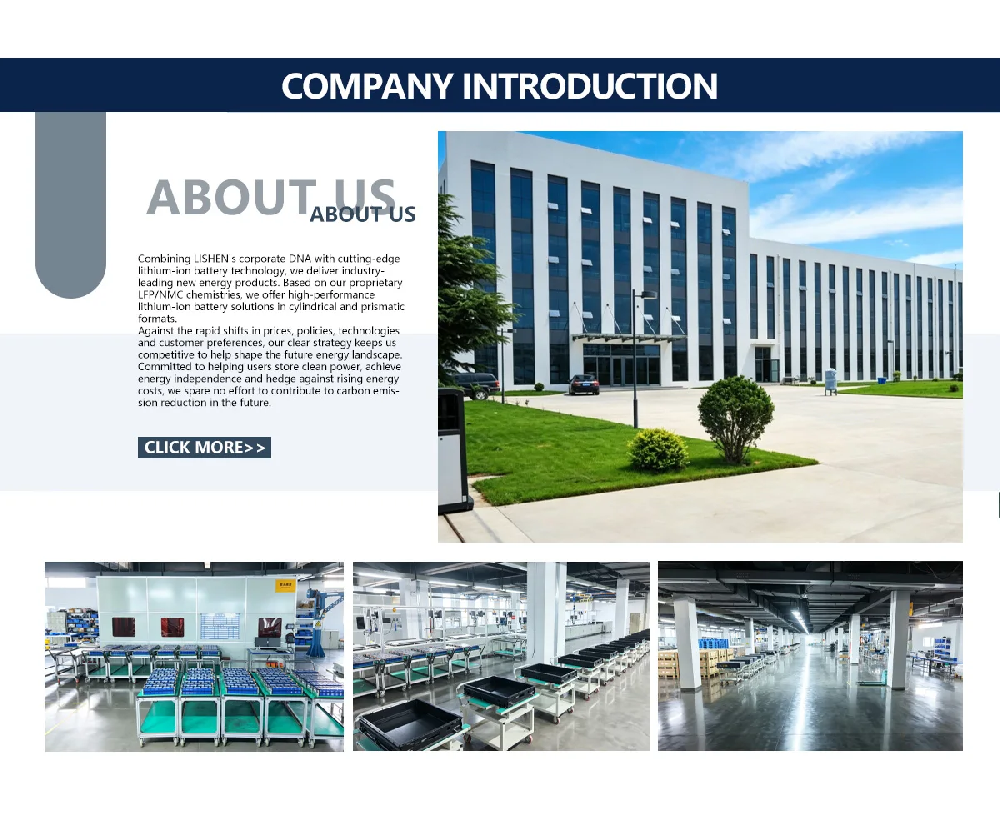
Breakthrough in Lithium Iron Phosphate Battery Low Temperature Technology: Solving Operating Challenges in Cold Regions
The Current Situation and Prospects of the Lithium Battery Industry
• Enterprise Registration Trend: The decline in the number of lithium battery-related enterprises registered in China has continued to narrow since 2025. As of November 17th, 382 enterprises have been registered, and the total number of existing enterprises has reached 17,000. This indicates that the industry has shifted from rapid expansion to a stage of refined competition. Inefficient production capacity is accelerating its exit, and the market share of leading enterprises with technological barriers and global layout is expected to further increase.
• Solid-State Battery Progress: Leading lithium battery enterprises are accelerating their layout of solid-state battery technology. On October 9th, a leading enterprise announced that its solid-state battery research has entered the pilot stage, with an energy density exceeding 400 Wh/kg. It is expected to start vehicle testing in 2026. Industry joint laboratories have been established, such as Pure Lithium New Energy appointing a chief scientist to promote technology transformation, and the commercialization process of solid-state batteries has been accelerated.
• Process Upgrade: Full-capacity process has become the mainstream choice for high-end scenarios. Through precise control of charging and discharging strategies, the error in vehicle range display can be reduced to within 5%. The cycle life of energy storage systems can be increased by 30%. Compared with the partial-capacity process, full-capacity cells have significant advantages in safety and energy utilization efficiency.
Explosion in Battery Demand for Robots:
• Morgan Stanley predicts that the scale of China's robot market will reach 6 trillion yuan by 2050. Each robot needs to be equipped with an exclusive battery system, creating additional demand for the lithium battery industry.
• Storage and Special Applications: The global demand for energy storage is expected to reach 440 GWh in 2025. Battery power for photovoltaic storage and charging, and eVTOL (electric aircraft) applications are accelerating their implementation. Policies clearly support the construction of a carbon management system for battery power, promoting the industry towards a green and low-carbon direction.
• Material System Innovation: High-voltage cobalt oxide, silicon-based anode, and sulfide electrolytes have become the focus of research. For example, high-voltage cobalt oxide can increase energy density by 20%, while silicon-based anode can double the battery capacity. Currently, enterprises such as CATL and BYD Energy have achieved mass production and installation of silicon-based anode cells.