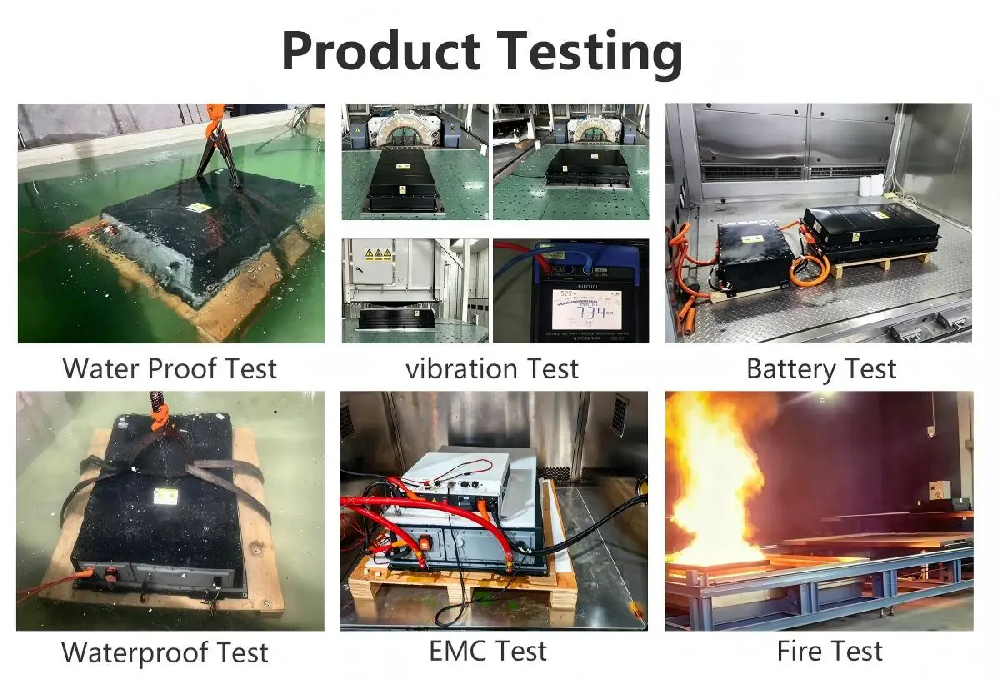
One-stop foreign trade battery PACK service: Direct access to global markets
2026-06-30 14:19:41


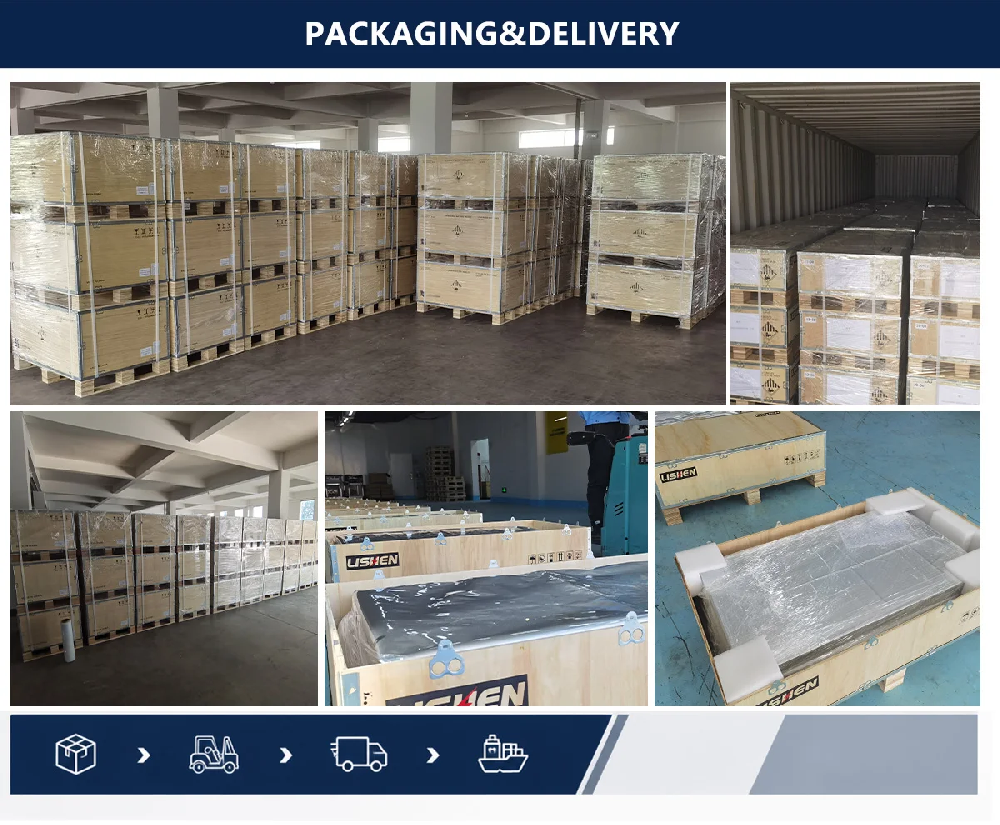
One-stop foreign trade battery PACK service: Direct access to global markets
Lithium Iron Phosphate Battery: The Safe Choice for Electric Buses
Global Trends of Lithium Iron Phosphate Application in Pure Electric Buses
Breakthrough in Lithium Iron Phosphate Battery Low Temperature Technology: Solving Operating Challenges in Cold Regions
• In the power sector: Plug-in hybrid and high-end models coexist: China's sales of new energy vehicles are expected to reach 17 million units by 2025, with the proportion of plug-in hybrid models exceeding 45%, driving the demand for dedicated batteries such as Xiaoyao Super Hybrid Battery. Pure electric vehicle models are upgrading towards high-end, and the penetration rate of 800V high-voltage platform batteries will exceed 25% by the end of this year.
• In energy storage and special equipment: There will be an explosion in global demand for energy storage installations in 2030, with lithium iron phosphate batteries dominating due to their low-cost advantage; custom battery demands are generated in scenarios such as humanoid robots and low-altitude aircraft, and the related market size is expected to exceed 100 billion yuan by 2030.
• International competition intensifies: Chinese lithium battery enterprises face trade barriers in the European and American markets, but with technological cost-performance advantages, their global market share is expected to maintain above 65% by 2025. Building factories overseas has become a trend. LG, Panasonic, and other enterprises are accelerating their layout in North America and establishing joint ventures with local automakers.
Carbon footprint management becomes a compulsory course: The EU Carbon Border Adjustment Mechanism (CBAM) forces enterprises to establish a full life cycle carbon management system. From 2026, exporters of batteries will be required to provide carbon footprint reports.
Technological breakthroughs in recycling: Combining wet metallurgy with direct repair technology has increased the recovery rate of lithium, cobalt, and nickel to over 95%.